
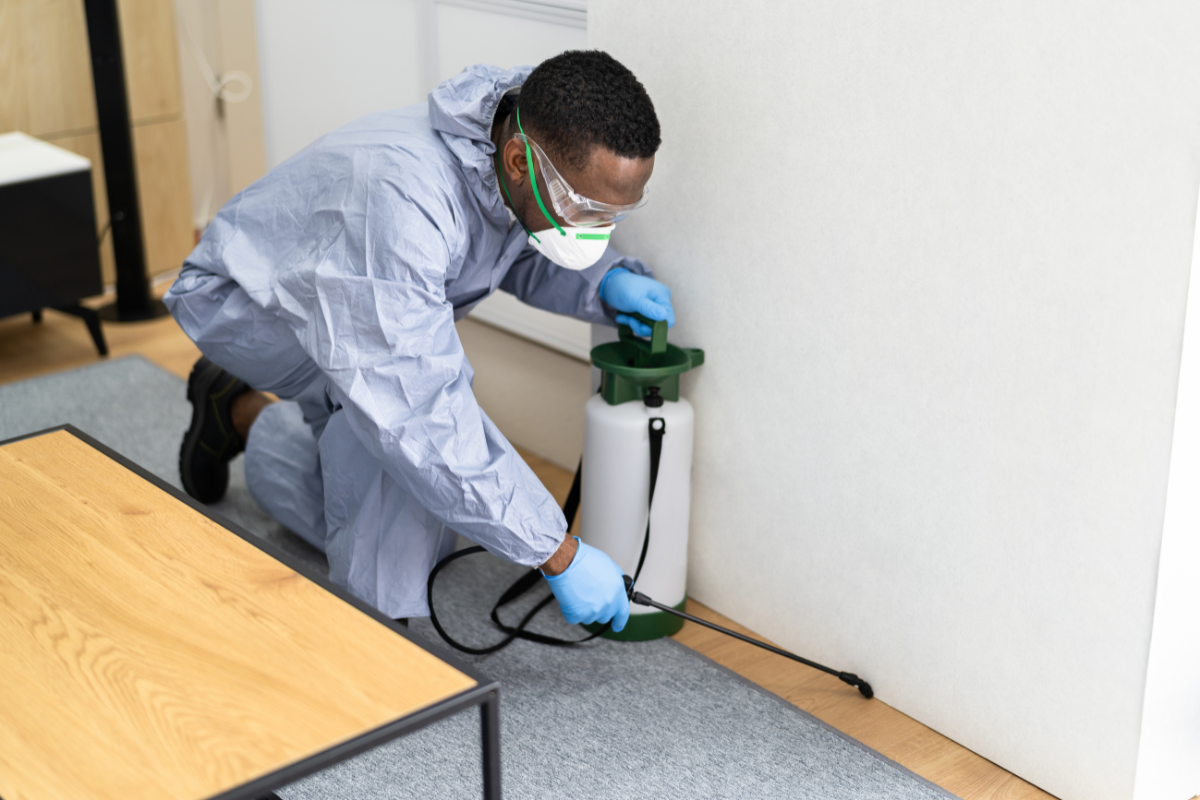
Termites do their work in quiet. You rarely see them marching across baseboards like ants. Instead, they feed out of sight, inside studs, sill plates, door frames, subfloors, and trim. By the time a homeowner notices something is wrong, the damage can be months or years in the making. The good news is that termite infestations leave a trail if you know how to read it, and there is a practical, staged way to decide when to bring in a pest control contractor or exterminator company. I have spent enough time in crawl spaces, attics, and half-finished basements to know what matters, what’s noise, and how to avoid expensive surprises.
How termites behave and why that matters for detection
A termite colony operates like a slow, tireless machine. Workers forage round the clock, seeking cellulose and the moisture that keeps them from drying out. In the United States, three groups dominate: subterranean termites in most regions, drywood termites in the South and coastal areas, and dampwood termites in pockets of the West and Pacific Northwest. Subterranean species live in soil, building mud tubes to reach wood. Drywood species live entirely in wood, often entering through attic vents, eave gaps, or cracks in fascia. Dampwood species favor wet wood and show up where leaks persist.
Behavior dictates the clues. Subterranean termites move between soil and structure, so you will find earth-like shelter tubes and wood that sounds hollow. Drywood termites stay inside their galleries, pushing out tiny pellets called frass through kick-out holes. Dampwood termites leave larger, cleaner galleries in wet areas, usually near a chronic leak. Understand the species, and you can predict where to look and what not to overreact to.
Early, subtle signs most people miss
In the field, the first hints rarely scream termites. They whisper.
Paint can blister in an oddly localized patch. Homeowners often blame humidity or a bad paint job, but when termites consume the paper backing on drywall or the cellulose in a baseboard, the paint loses its bond and puckers. Tap that area with a knuckle. If it sounds papery compared to adjacent wall, you may be tapping on a hollowed-out stud bay or eaten trim.
Wood can warp or sag without obvious water staining. I once inspected a 1950s bungalow where a bathroom door stuck whenever it rained. The owner figured the door had swollen. The culprit was a subterranean colony that had consumed the lower door jamb and part of the subfloor, allowing the frame to settle a few millimeters.
Flooring may have faint ripples or softened spots. Laminate and engineered floors can hide problems for months. If a chair leg suddenly sinks slightly in one corner, do not ignore it. Probe with a screwdriver at the quarter-round molding. If the tool sinks without much resistance, termites may have run along the sill.
Outlets and switch plates can shed a bit of dust. Drywood frass sometimes collects on the lip of an electrical box or on a windowsill below a header. People vacuum it and move on. That fine, sand-like material is worth a second look.
Mud tubes, wings, and frass: the big three clues
Certain signs are definitive enough that I advise action as soon as you notice them.
Mud tubes look like earth-tone straws or veins running up foundation walls, along garage baseboards, or across crawl space piers. Subterranean termites build them to maintain humidity while traveling between nest and food. Tubes can be the diameter of a pencil or as wide as your thumb if they handle heavy traffic. Fresh tubes are moist and easily smudged. Old tubes look dry and brittle. Break a small section. If you see live, cream-colored insects scurrying to repair the breach within minutes or hours, the colony is active. If not, the tube may be abandoned, but that does not mean the termites moved far.
Discarded wings scattered on a windowsill, near a sliding door, or under a light fixture tell a seasonal story. When conditions are right, reproductive termites swarm, then shed wings after landing. Think of it like seeing a single set of car keys on the counter the morning after a party. Wings alone don’t prove wood damage, but they mean a colony released alates in or near the home. In stick-framed houses, that deserves a professional inspection.
Frass is the calling card of drywood termites. These pellets are tiny, hard, and six-sided under magnification. To the naked eye they look like sand or ground pepper, usually caramel to dark tan. They accumulate in small piles beneath pinholes in wood trim, window frames, or rafters. The pile persists because the termites keep pushing waste out of their galleries. If you brush the pellets away and a new pile appears days or weeks later in the same spot, you likely have an active drywood gallery.
Wood that sounds wrong
Many solid components will go hollow when termites work through them, leaving only a thin veneer of paint or intact grain. Run the handle of a screwdriver or a metal key along baseboards and door casings. You are listening for changes in pitch. Healthy wood returns a full tap. Damaged sections sound dull or thuddy. In subfloors, you can use a rubber mallet to test around toilets, tubs, and laundry machines. A seasoned pest control contractor will carry a moisture meter and a probing tool, but your ears are surprisingly useful.
Be cautious with aggressive probing if you are not prepared for repairs. A careful inspection uses light pressure at seams and corners, not hard stabs that tear off trim. You want evidence, not a demolition project. When I train apprentices, I tell them to think like a violinist lightly plucking a string, feeling for resonance rather than brute force.
Seasonal swarms and what they do and do not mean
Swarmers appear when a colony matures enough to invest in reproduction. In much of the country, subterranean termites swarm in spring after rain and warming temperatures. Drywood swarmers appear later, often summer into fall, and prefer warm afternoons. Swarms inside a building are more concerning than swarms outdoors near landscaping. If you find dozens or hundreds of winged insects at a window, they may have emerged from a wall void, attic, or crawl space. That warrants a same-week assessment.
People often confuse ant swarmers with termites. A quick ID helps. Termite swarmers have straight antennae, two sets of wings of equal length, and a thicker waist. Ants show elbowed antennae, wings with front pair larger than the rear pair, and a pinched waist. A pest control service can confirm in minutes, but you can do a passable check with a hand lens and a phone camera.
A swarm alone does not tell you the extent of damage. I have opened walls and found extensive galleries after a modest swarm, and I have also found a small, localized drywood pocket that produced a big show. Use the swarm as a trigger for inspection, not a reason to panic.
Moisture is the accomplice
Termites do not drill through metal or concrete, but moisture creates pathways and softens materials. I look first for the water sources that make a structure attractive: downspouts discharging at the foundation, missing splash blocks, negative grading, plumbing leaks under sinks, hairline cracks at shower pans, old foam around hose bib penetrations, and poorly ventilated crawl spaces. A subterranean colony is far more likely to press into a sill where consistent dampness keeps the wood at a comfortable moisture content.
Practical maintenance matters. If you keep mulch at least a few inches away from siding and maintain a visible foundation gap, you cut off a highway into the house. If firewood is stacked right against a wall, move it out to the fence line on a rack. No pesticide beats a dry, well-ventilated perimeter.
The difference between termite damage and other culprits
Not every soft spot points to termites. Carpenter ants also nest in wood, but they do not eat it. Their galleries look clean, with smooth walls, and you often see coarse sawdust mixed with insect body parts beneath the entry point. Wood rot from fungi leaves friable, stringy wood with a musty odor and obvious staining. Powderpost beetles produce finer flour-like frass and exit holes about the size of a pin or small nail, often in hardwoods like oak flooring or old beams.
Termite galleries tend to follow the softer springwood, leaving thin layers of harder latewood. In cross section, you will see a layered, corrugated look with soil or mud smeared inside for subterranean species. Drywood galleries are cleaner but still irregular, with pellet kick-out holes nearby. If you are not sure, a pest control company can take samples and confirm under magnification.
DIY checks that actually help
A focused, low-impact walkthrough once or twice a year saves headaches. I coach homeowners to plan a 30-minute circuit at the shoulder seasons. Start at the front door and move clockwise, eyes at baseboard level, then raise to window sills, then ceiling corners. Pay attention to bathrooms, kitchens, and exterior walls. In basements, look along sill plates and near utility penetrations. In crawl spaces, bring a good light and kneepads; inspect piers, beams, and the underside of exterior doors. On the exterior, walk the foundation perimeter. Look for tubes, cracks, and evidence of persistent dampness.
If you find a suspicious area, take photos with a coin for scale and note the date. Do not rip things apart yet. Documentation helps an exterminator company diagnose and track progress without guesswork. If you own a moisture meter, record readings around suspect spots. Rising moisture near wood components is a red flag even before insects arrive.
When watchful waiting is fine, and when it is not
Not every clue demands immediate treatment. If you find a single, dry mud tube in a garage corner with no live termites after you break it, you can document and monitor for a few weeks. If you find old wings near a sliding door but no other evidence and it is swarm season outdoors, you might schedule a non-urgent inspection.
There are clear thresholds where waiting makes things worse:
- Live termites visible in a mud tube or wood. Multiple fresh frass piles that reappear after cleaning. Hollow wood in structural components like sill plates, headers, or stair stringers. Swarmers emerging from interior walls or ceiling fixtures. Evidence of moisture damage co-located with suspected termite activity.
If any of these appear, call a pest control contractor promptly. Every month of feeding in a key structural element can translate into more extensive carpentry later.
What a professional inspection includes
A thorough inspection from a reputable pest control service is more than a quick glance and a quote. Expect a structured approach: exterior perimeter, foundation interface, garage, crawl space or basement, main floor, wet rooms, attic. The technician should use a bright light, a moisture meter, a probing tool, and sometimes a borescope for tight spots. They will map conducive conditions such as wood-to-soil contact, downspouts dumping at the base, leaking hose bibs, and unsealed utility penetrations.
Good exterminator service providers take time to explain what they see. If they recommend treatment, ask what species they suspect, how they identified it, and what areas are affected. Drywood and subterranean termites require different tactics and products. A solid inspection includes photos and a simple diagram of the home showing hot spots. When I ran service teams, we always left a written inspection report that separated active findings from conducive conditions. That way, the homeowner could plan both treatment and maintenance.
Treatment options without the sales fog
Marketing can muddy this topic. Cut through to the practical choices for most homes.
Subterranean termites are typically managed with a liquid termiticide trench and treat method, a bait system, or both. Liquid treatments involve trenching around the foundation and injecting product to create a treated zone in the soil. Done properly, trench depths match footing depths, and slabs are drilled at intervals to reach soil beneath. The benefit is immediate protection; workers passing through the zone are affected quickly. The risk is poor workmanship, which leaves gaps. Choose a pest control company that documents footage treated and shows where concrete was drilled and patched.
Bait systems place stations in the soil around the structure, spaced roughly every 8 to 10 feet. Termites feed on bait and share it, reducing the colony. Baits take longer to suppress an active infestation but provide ongoing monitoring that can prevent reinfestation. Stations need maintenance, typically quarterly or biannual checks. In tight urban lots or complex landscapes, I often recommend a hybrid: a partial liquid treatment in high-pressure zones like a shaded, damp side yard and baiting on the rest of the perimeter for long-term monitoring.
Drywood termites require localized wood treatment or whole-structure fumigation, depending on the extent. Localized treatment involves drilling into galleries and injecting a foam or liquid termiticide, then sealing https://emiliotfzr722.yousher.com/understanding-termite-bonds-and-pest-control-company-warranties-2 the holes. It works when the infestation is limited and accessible. Whole-structure fumigation exposes the entire building to a gas under tarps, reaching hidden pockets. It does not provide residual protection, so pairing fumigation with sealing entry points and improving screening around vents is essential. I advise fumigation when activity pops up in multiple, unrelated locations or when inaccessible attic or wall voids show signs without a clear endpoint.
Dampwood termites are addressed by eliminating moisture and replacing damaged wood. Targeted chemical treatment may be used, but the fix lives in plumbing, drainage, and ventilation.
Costs, warranties, and what they actually cover
Price varies with footprint, construction type, and method. In most markets, a full-perimeter liquid treatment on an average single-family home runs in the low to mid four figures. Bait systems often include a lower initial installation fee and an annual service charge for monitoring. Fumigation costs depend on cubic footage and complexity like attached patios or multiple rooflines, commonly mid to upper four figures for typical houses.
Warranties sound reassuring but read the fine print. A retreatment warranty is not the same as a damage repair warranty. Most exterminator companies offer retreatment if termites reappear within the warranty period, but they do not pay for wood repair. Some firms sell a repair warranty at additional cost, often with caps and exclusions. Ask for terms in writing. Also ask what voids the warranty. New construction, grading changes, or additions can break a treated zone. If you plan a remodel, coordinate with your pest control contractor so they can protect new slab cuts and post-tension penetrations.
Choosing the right partner, not just the lowest bid
Experience and clarity matter more than a slick brochure. I look for state licensing, active liability insurance, and membership in a regional pest management association, which often implies ongoing training. Ask how many termite jobs the company completes annually, and whether they specialize in your home’s construction type. Pier-and-beam houses, for instance, require a different touch than slab-on-grade. Ask to see sample reports. During the proposal, a good technician welcomes questions and does not pressure you to sign on the spot. If they downplay inspection in favor of a generic application everywhere, be wary.
It helps to compare two quotes. If one company proposes a bait-only plan and another insists on a full liquid perimeter, have them explain their reasoning in relation to your site: soil type, neighboring infestations, drainage. There are trade-offs. Liquids act fast but can be disrupted by future digging. Baits build protection gradually but show you evidence of activity in stations, which some owners prefer for peace of mind.
Repairing and preventing structural harm
Treatment stops the insects, but it does not rebuild wood. For cosmetic trim and non-structural components, a carpenter can cut back to sound material and splice in new stock. For sills, beams, or joists, have a contractor assess load paths. Sistering new lumber to partially damaged members often works, but severely compromised sills may require jacking and replacement. Time this work after your pest control service confirms the infestation is neutralized. Otherwise, you risk opening cavities and letting undisturbed galleries expand.
Prevention rides on moisture control and physical separation.
- Keep a 4 to 6 inch gap between soil and siding, and avoid burying foundation vents behind mulch or plantings. Fix plumbing leaks promptly, especially under tubs, showers, and kitchen sinks. Ventilate crawl spaces according to climate, and consider vapor barriers on soil where code allows. Seal exterior penetrations and screen attic and subfloor vents with proper mesh to deter drywood entry. Store firewood and lumber off the ground and away from the structure.
Small habits reduce risk more than any single treatment. I have seen homes go decades without reinfestation simply because owners maintained tight drainage, kept mulch lean, and watched for new cracks or gaps after storms.
Special cases and edge conditions
Townhomes and condos introduce shared walls and common areas. If you find termite evidence in a multi-unit building, alert the property manager immediately. Treating a single unit may not solve the problem if the colony nests under a shared slab or landscape bed. Associations often carry maintenance obligations for exteriors and grounds, and they may have preferred vendors. Push for an integrated plan that covers the entire building footprint.
Historic homes with old-growth lumber can hide infestations inside thick members. These structures deserve a careful mix of monitoring and targeted treatment to preserve materials. Sometimes borescope inspections and selective removal of interior plaster allow for precise injections without stripping historic trim. A seasoned pest control contractor who has worked on older houses will know how to balance protection with preservation.
Metal-framed buildings are not immune. Termites will exploit any cellulose, including paper-faced drywall, fiberboard, and door cores. I have seen subterranean colonies track up steel studs by bridging with mud along the flange to reach a bathroom partition. Do not assume steel equals safe.
What not to do
Two missteps keep showing up. First, homeowners spray store-bought insecticides into visible holes and tubes. That may kill a few workers and close the case temporarily, but it can also scatter the colony, making professional detection harder. Save the evidence and let a pro assess before applying anything.
Second, well-intentioned repairs trap moisture. Covering a damaged baseboard with new trim without addressing the leak behind it only accelerates decay and invites dampwood termites or continued subterranean activity. Treat, dry, then repair.
A practical timeline when you find a sign
If you discover fresh frass piles or an active mud tube on a Saturday morning, you do not need to leave the house. You do need a plan. Take photos, gently expose a small section to confirm activity, then call a pest control service first business day. Ask for the earliest inspection slot and mention the active sign. If you have children or pets, you can still live in the home during most inspections and treatments. For fumigation, plan a 2 to 3 day out-of-home window and coordinate bagging of food and medications per the company’s checklist.
Keep your notes and ask the exterminator company to mark inspection points on a diagram. If you prefer a second opinion, book it quickly. A delay of a week or two rarely changes the outcome with termites, but months matter. Once treatment is complete, schedule a follow-up check in 6 to 8 weeks to confirm no new signs and review moisture corrections.
The bottom line
Termites are patient. The way to beat them is not panic, but discipline: know the subtle signs, verify the big ones, and bring in a qualified pest control contractor when thresholds are met. Lean on the strengths of each treatment method rather than chasing a silver bullet. Keep water away from wood and wood away from soil. Document what you see. Resist quick fixes from a spray can. A good exterminator service paired with steady maintenance will protect your home for the long run, and it will do so without drama or surprises.
Clements Pest Control Services Inc
Address: 8600 Commodity Cir Suite 159, Orlando, FL 32819
Phone: (407) 277-7378
Website: https://www.clementspestcontrol.com/central-florida